LVP & LVT Maryland
LVP Floor Care
What not to use on luxury vinyl plank floors, why dull haze happens, and when professional LVP cleaning makes sense.
Ready for a professional clean? Book online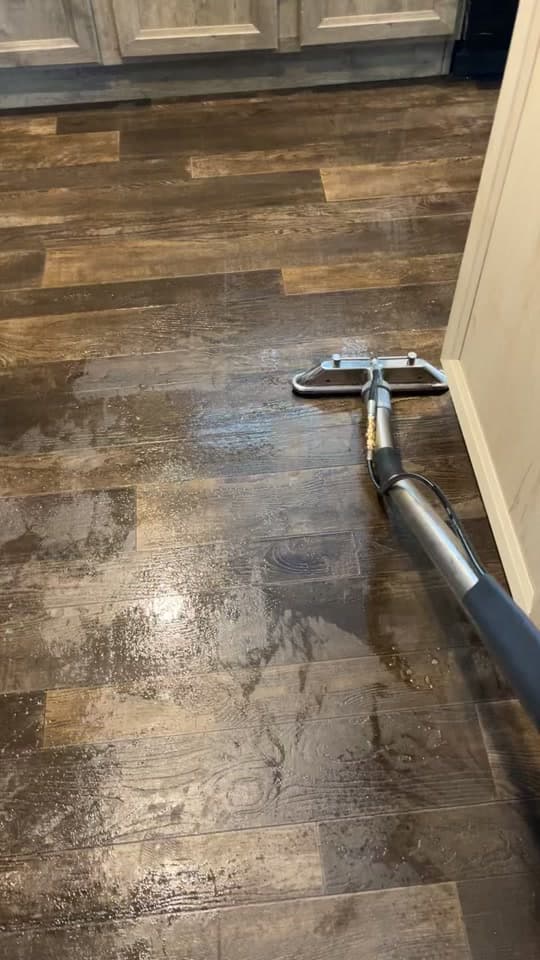
In this guide
Luxury vinyl plank looks easy to maintain, but the wrong cleaner can leave haze, streaks, or a dull film that regular mopping never removes. LVP has a wear layer, and that layer should be protected.
Eco-Dry cleans LVP and LVT with products and methods intended for vinyl plank surfaces. The first step is always confirming that the floor is a fit for cleaning.
What not to use
Avoid wax unless the manufacturer specifically calls for it. Most modern LVP is not designed for wax buildup. Avoid oil soaps because they can leave residue and make the floor slippery or dull.
Avoid steam mops that force heat and moisture into seams. Some floors tolerate light damp cleaning, but concentrated heat can create problems at plank edges.
Avoid harsh abrasive pads. Scrubbing with the wrong pad can scratch or cloud the wear layer. Once the wear layer is damaged, cleaning cannot restore it like new.
Avoid soaking the floor. Luxury vinyl plank is water resistant on the surface, but that does not mean water should sit at seams, edges, or transitions. Too much liquid can work into gaps and create swelling, edge lift, or residue in places a mop cannot reach.
Avoid mixing products. A customer may try a grocery store cleaner, then vinegar, then a shine product, then a disinfectant. Each layer can leave its own film. By the time the floor looks hazy, the issue may be buildup instead of ordinary dirt.
Avoid using a product because it worked on tile or hardwood. LVP has its own surface layer. A cleaner that is safe for ceramic tile may be too aggressive or too residue heavy for vinyl plank. A product that says it adds shine may simply leave a film that later attracts soil.
Daily care that actually helps
Dry soil is the enemy. Grit near doors, kitchens, and pet paths can scratch the wear layer over time. Sweep or vacuum with a hard floor setting often. Use entry mats that do not have rubber backing if the floor manufacturer warns against it.
For spills, use a damp microfiber pad and a cleaner approved for vinyl plank. Less product is usually better than more. If the floor feels sticky after mopping, there is too much residue left behind.
Chair pads and furniture protectors matter. Kitchen stools, rolling office chairs, and heavy furniture can damage the surface faster than normal foot traffic. Cleaning can remove residue, but it cannot repair scratches cut into the wear layer.
Why LVP gets hazy
Haze usually comes from residue. It may be cleaner residue, hard water minerals, kitchen grease, or soil that has bonded to old product on the floor. Mopping can spread the film instead of removing it.
Professional cleaning uses the right chemistry, agitation, and rinse control to remove buildup without stripping or damaging the surface.
Kitchen LVP often gets a greasy film because cooking residue lands on the floor and mixes with cleaner. Entry LVP gets soil from shoes and pets. Bathrooms may show product residue from sprays, powders, and damp towels. Each area may need a slightly different cleaning approach.
Another common problem is dull traffic paths. The floor may look clean along the edges but cloudy where people walk most. Sometimes that is removable film. Sometimes it is wear. Rich will inspect the floor and explain the difference because cleaning cannot rebuild a damaged surface layer.
What professional LVP cleaning does
Professional LVP cleaning starts with inspection. The floor needs to be a good candidate. Loose planks, failing seams, active water issues, or deep scratches may limit what cleaning can do. If the surface is stable, the process focuses on removing residue and bonded soil without forcing moisture into seams.
Eco-Dry uses chemistry intended for vinyl plank and controlled agitation to release buildup. The rinse step matters because leaving cleaner behind is what caused many haze problems in the first place. The goal is a clean surface that feels neutral underfoot, not a shiny film that looks good for one day.
When cleaning is not enough
Cleaning cannot fix gouges, sun fading, worn printed pattern, or planks that are lifting. It also cannot correct installation problems. If water has damaged the plank edges or the floor moves underfoot, repair may be needed before cleaning makes sense.
That honesty is useful. A homeowner should know whether the dullness is residue that can be removed or wear that has to be lived with until the floor is replaced.
Local LVP patterns
Harford County and north Baltimore County homes often have LVP in kitchens, basements, mudrooms, and open first floors. Those are exactly the areas that collect cooking film, pet tracks, garage soil, and winter grit. A good maintenance clean can make the floor easier to mop because the old residue is gone.
When to call
If your LVP looks dull even after mopping, feels sticky, or shows traffic paths in the kitchen and entry, it may be time for professional cleaning. Start with LVP and LVT floor cleaning. Eco-Dry serves Bel Air, Forest Hill, Perry Hall, and nearby suburbs.
Find the right cleaning service
Compare the service details and check your area before requesting a quote.
Local people. Thoughtful care.
Meet the owner behind Eco-Dry.
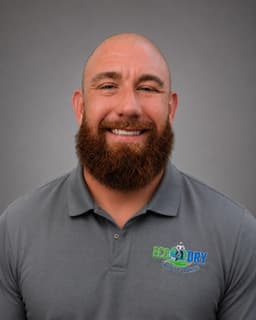
Rich Tobin runs Eco-Dry from Forest Hill. Your visit may be handled by Rich or an Eco-Dry technician, with the cleaning method matched to your surfaces.
Meet RichKeep exploring
A little more useful advice.
- Columbia
Caring for Columbia vinyl floors after a renovation
Construction dust, paint specks and ordinary floor soil are not the same cleanup. Identify the new floor and the remaining material before beginning maintenance.
Read the guide - Maryland
After the cleaning: a room-by-room care guide for Maryland homes
Carpet, rugs, upholstery, wood and vinyl should not all be returned to use the same way. Keep the results practical with material-specific aftercare and clear follow-up.
Read the guide - Parkton
Living with pets and vinyl plank floors in Parkton
LVP can be practical in a pet household, but scratches, spills and residue are different concerns. Build a care routine around the actual flooring product.
Read the guide