
Hardwood floors Maryland
After the cleaning: a room-by-room care guide for Maryland homes
Carpet, rugs, upholstery, wood and vinyl should not all be returned to use the same way. Keep the results practical with material-specific aftercare and clear follow-up.
Ready for a professional clean? Book online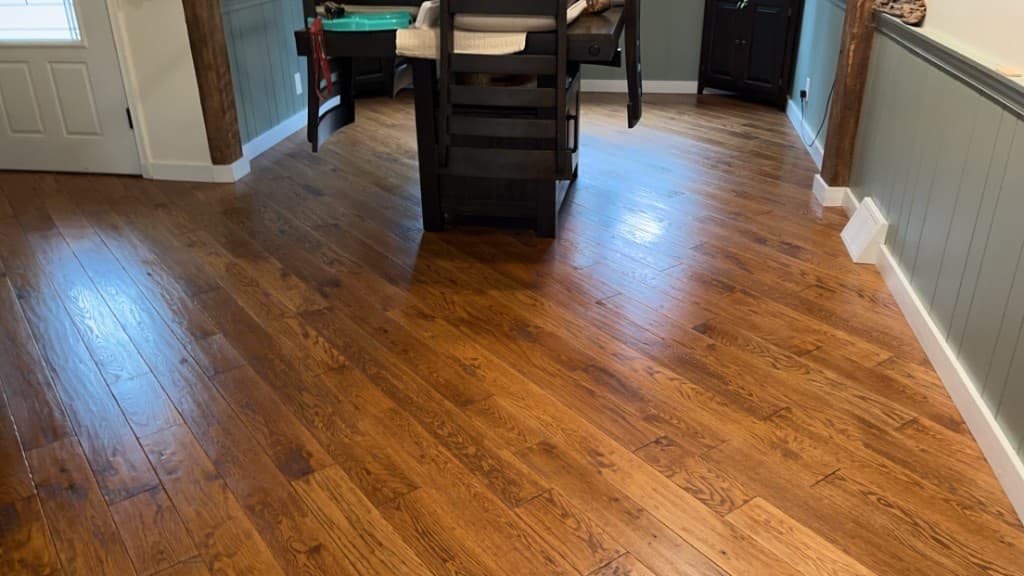
In this guide
The best part of a cleaning visit is seeing the room become inviting again. The easiest mistake is putting everything back too quickly. A rug returns to the floor, a throw covers the sofa and a chair goes back onto carpet that is not quite ready for its usual load.
Aftercare is not one rule for every surface. The material, method, treatment and conditions all matter. For a Maryland home combining several services, it helps to leave the appointment with a short plan for each area. The clock alone should not decide when furniture, mats or normal traffic return.
Before the cleaner leaves, collect the practical instructions
Ask what can be used, what should remain undisturbed and which protective items need to stay temporarily. Clarify any difference between rooms or surfaces. If someone else will be responsible for the household afterward, pass along the same instructions.
A useful handover should explain the conditions supporting drying or reopening and how to raise a concern. Do not be embarrassed to ask what a tab, block or temporary arrangement is doing. Understanding it is better than removing it because it looks unfinished. The goal is to protect the result while allowing the home to function sensibly.
For carpet, keep the drying area available
Follow the advice for air movement, normal room conditions and foot traffic. Avoid covering damp carpet with rugs, boxes or plastic simply to restore the usual arrangement. Different sections can feel different depending on the carpet and amount of work.
Keep furniture-contact protections in place for the period advised. If the carpet is the route to an essential room, use the access plan discussed during the visit rather than inventing an unstable path of loose coverings. If drying differs materially from the estimate under the conditions you were told to maintain, contact the provider with the time, location and observations.
For upholstery, consider seams and cushions as well as the surface
The most exposed part of a cushion is not the whole piece. Follow the instructions for cushion placement and surrounding airflow. Avoid putting throws, pillows or protective covers onto damp fabric to make the room look finished.
Keep pets and children from returning to the favorite seat before it is ready. If a removable cover or storage compartment has its own requirements, ask about those rather than treating it like ordinary laundry. A furniture care label remains relevant after professional service; it should guide future spot care and routine maintenance along with the provider's advice.
For rugs, include the pad and floor beneath
A rug is part of a layered arrangement. Follow the guidance for the rug's backing, pad and supporting surface before returning it to normal use. Do not assume a dry-feeling face means every contact area is ready to be covered or loaded with furniture.
If a pad was identified as worn, contaminated or unsuitable, address that separately. Returning a cleaned rug to a problem beneath it can make the refresh feel incomplete. Take care with furniture movement and do not drag a piece into position under a heavy load. A safe, deliberate reset is part of caring for the rug itself.
For wood, respect the finish and the process used
Ask what was done to the floor and what that means for reopening, furniture and rugs. Maintenance cleaning, buffing and other treatments can have different requirements. Follow the instructions for the actual finish rather than a routine borrowed from tile or vinyl.
Do not add an unapproved polish or shine product because you expected more gloss. A floor's intended appearance and its current condition should have been part of the scope. Cleaning does not rebuild a missing finish or repair every scratch. Keep the manufacturer's maintenance guidance available and use products suited to the identified surface.
For vinyl, avoid immediately recreating the residue history
If the appointment addressed haze or product buildup, make sure the everyday routine has been discussed. Returning to the same unsuitable cleaner or amount may recreate the concern. Follow the flooring manufacturer's directions for compatible products and tools.
Check mats, furniture protectors and other contact items before replacing them. Keep loose grit under control with suitable equipment. Do not interpret a durable or water-resistant product description as permission to use any device or moisture level. The specific care guide remains the useful reference after the professional clean is complete.
For tile and grout, distinguish cleaning from added treatments
Ask whether the visit included cleaning only or an additional grout or surface treatment. Reopening and maintenance advice should reflect the actual work. Do not assume a treated floor can be used immediately because tile often feels hard and dry to the touch.
Return mats and furniture as instructed and keep the installation on a suitable routine. Sealing does not mean grout will never collect soil or need care again. If damaged grout or another repair concern was identified, keep that separate from the cleaning result. A brighter floor does not remove the need to address a physical problem that was outside the service scope.
Review the result calmly and specifically
After the appropriate period, look at the agreed areas under normal lighting. Compare what you see with the expected improvement and limitations discussed before work. Wear, fading and material damage may remain even when removable soil has been addressed.
If a spot returns or something differs from the expected condition, document the location and timing and contact the cleaner before applying another treatment. That keeps the situation easier to assess. A precise description is more useful than trying to solve every concern with a new product while the original service is still being evaluated.
Make the next visit easier to plan
Keep a simple record of the service, products recommended and any areas needing future attention. Note which preparation steps worked well for your household. The next appointment can then start with a better description of the surfaces, access and priorities.
Eco-Dry's service pages explain the individual options, and the service-area directory covers the confirmed towns in Harford County and nearby Baltimore and Howard County suburbs. When booking a combined visit, explain which rooms need to stay usable. A good clean should end with clear next steps, so the home remains comfortable and the result has a fair chance to perform as intended.
Find the right cleaning service
Compare the service details and check your area before requesting a quote.

Local people. Thoughtful care.
Meet the owner behind Eco-Dry.
Rich Tobin runs Eco-Dry from Forest Hill. Your visit may be handled by Rich or an Eco-Dry technician, with the cleaning method matched to your surfaces.
Meet RichKeep exploring
A little more useful advice.
- Ellicott City
Cleaning older hardwood in an Ellicott City home
An older floor may carry several generations of maintenance products. Learn why its finish history matters before choosing a cleaning or buffing service.
Read the guide - Fallston
Fallston hardwood floors: clean and buff or refinish?
A dull wood floor does not always need sanding, but cleaning has limits. Learn what the finish, wear pattern and previous products can tell you.
Read the guide - Kingsville
Protecting hardwood around a Kingsville home-office chair
A desk chair concentrates movement into a small area. Separate grit, mat residue, finish wear and scratches before deciding that the floor needs another cleaning product.
Read the guide