
Upholstery Belcamp
Why a Belcamp ottoman can look older than its sofa
Footrests become seats, tables and landing places for bags. Assess an ottoman's surfaces, fabric and everyday use before choosing an upholstery-cleaning scope.
Ready for a professional clean? Book online
In this guide
The ottoman often starts as a footrest and gradually takes on every other job in the room. It becomes an extra seat, a place for a tray, a landing spot for a bag and occasionally the pet's preferred bed. By the time the sofa needs cleaning, the smaller piece may already look considerably more used.
For a Belcamp household, that is a reason to assess the ottoman on its own terms rather than add it casually to a sofa request. Its fabric, construction and contact pattern may differ from the matching furniture. A small surface can have a complicated cleaning history.
Describe the piece you actually use
Include the ottoman's approximate size and whether the top, sides and base are upholstered. Mention a removable or hinged lid, decorative trim and any matching pieces. A fabric storage ottoman and a simple padded footrest are different descriptions.
If it belongs to a furniture set, do not assume all pieces still have the same material or condition. A replacement cover or earlier repair may change the assessment. Keep labels, purchase information or a model reference available. The cleaner should understand what is being requested before deciding on a suitable process.
Read the contact pattern
Look at the top where feet or a tray usually rest, the edges used as a seat and the sides that may be touched while moving it. Notice whether the concern is general darkening, isolated spots, flattened texture or worn fabric.
Compare it with the sofa without treating the sofa's condition as a guaranteed target. The pieces may have had very different use. Cleaning can improve removable material while leaving evidence of wear or fading. Ask what the professional expects to improve and which differences are likely to remain after the piece is dry.
Check the care instructions
The color or marketing name of the fabric does not establish how it should be cleaned. Find the manufacturer's guidance where practical and share it with the provider. Cleaning codes should be interpreted alongside the full instructions and construction.
Do not assume a cover can be washed because it is removable or secured with a zipper. The top and sides may also have different backing or trim considerations. If information is missing, ask for assessment. A small ottoman does not become a low-risk cleaning experiment simply because it is easier to move than a sofa.
Explain the spill and product history
An ottoman used with a serving tray may have a different history from one used mainly as a footrest. Tell the cleaner about drinks, food, pets and any known incident. Include sprays or other products applied afterward.
If a mark appeared gradually, say that too. A darkened top is not automatically one particular stain. Avoid guessing a cause with more certainty than you have. The combination of location, timing and previous treatment gives the professional a more useful starting point than a general request to make it look new.
Consider the inside without dismantling it
A storage piece can hold blankets or other items that deserve their own care. Empty it before assessment if that can be done safely, and follow the furniture's instructions. Do not remove upholstery, hardware or padding to inspect something you are uncertain about.
If an odor seems strongest inside rather than on the exposed fabric, mention that distinction. Surface upholstery cleaning may not be the complete answer to a concern involving another material or stored item. A clear description helps the provider explain the scope and its limitations before work begins.
Plan cleaning and drying as part of the room
Clear enough surrounding space for the piece to be assessed and worked on. Arrange another place for feet, trays and pets while it is unavailable. An ottoman that stays in the middle of household activity can be difficult to leave undisturbed without that small change.
Ask how the furniture should be left and when normal use can resume. Avoid placing a tray, blanket or protective cover on damp upholstery to make it look ready. The top, seams and sides may not feel the same at the same time. Follow advice for the specific fabric and method rather than using one dry patch as the deciding test.
Keep the useful little piece useful
After care, follow the manufacturer's routine-maintenance directions and respond to spills appropriately. If the ottoman is regularly used as a table, consider a stable arrangement that is suitable for the piece and easy to keep clean. Avoid adding fabric treatments without checking compatibility.
Read upholstery cleaning in Belcamp, and Belcamp's local service directory if the sofa, rug or carpet is part of the same refresh. A carefully described ottoman can be a worthwhile part of the appointment. It deserves a plan based on how it is actually used, not just its smaller size.
Find the right cleaning service
Compare the service details and check your area before requesting a quote.
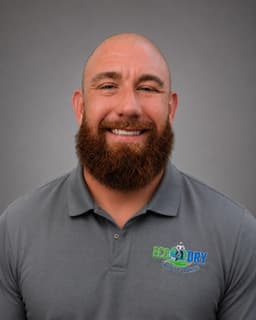
Local people. Thoughtful care.
Meet the owner behind Eco-Dry.
Rich Tobin runs Eco-Dry from Forest Hill. Your visit may be handled by Rich or an Eco-Dry technician, with the cleaning method matched to your surfaces.
Meet RichKeep exploring
A little more useful advice.
- Maryland
After the cleaning: a room-by-room care guide for Maryland homes
Carpet, rugs, upholstery, wood and vinyl should not all be returned to use the same way. Keep the results practical with material-specific aftercare and clear follow-up.
Read the guide - Baldwin
Hosting the holidays in Baldwin: when to book the carpet cleaning
Hosting Thanksgiving or a December get-together? When to book carpet and sofa cleaning, how much room to leave for drying and how to be ready for the spills that come with a full house.
Read the guide - Churchville
Microfiber sofa care in Churchville: water marks, codes and flat spots
Microfiber hides a lot until water touches it. How to read the cleaning code, deal with rings and flattened nap, and what a professional cleaning adds.
Read the guide