Carpet care harford county
Choosing a carpet cleaner in Harford County: better questions to ask
Look beyond a low headline price and a dramatic photo. Use these practical questions to compare carpet-cleaning scope, expectations, access and follow-up.
Ready for a professional clean? Book online
In this guide
A carpet-cleaning search can produce a long list of impressive-sounding promises. Low prices, deep cleaning, fast drying, powerful equipment and dramatic photographs all compete for attention. None of those details, by itself, tells you whether the service matches the carpet in your home.
For a Harford County homeowner, the better approach is to ask questions that make competing offers easier to understand. You do not need to become a carpet technician. You need a clear scope, a suitable assessment and an honest description of what is likely to improve. A good booking conversation should make the decision less confusing, not more pressured.
What exactly is included in the quote?
List the rooms, halls, stairs and other carpeted areas you want cleaned. Explain large open spaces, furniture that will remain and any areas that are difficult to reach. Ask the provider how its pricing applies to that actual description.
A headline package is difficult to compare when one quote includes stairs and another does not, or when one assumes an empty room while the other accounts for furniture. Ask about separate treatments before choosing the service. If the scope changes after inspection, you should understand the reason and have a chance to decide before additional work proceeds.
How will the carpet be assessed?
A useful provider should consider the material, condition and treatment history where relevant. Explain visible spots, unusual texture, known pet incidents and previous products. If the fiber or history is uncertain, say so.
Ask what findings might change the recommendation. Loose carpet, significant damage or a current water problem may need another service first. An assessment should help distinguish ordinary soil from a condition routine cleaning cannot solve. A provider willing to explain limits can be more useful than one offering an unconditional result before seeing the carpet.
What does the proposed method mean for this carpet?
Equipment names and terms such as deep clean can sound reassuring while leaving the process unclear. Ask for a plain explanation of the work and why it suits the material and condition. The carpet manufacturer's care requirements should be part of the conversation where available.
This is not a request for proprietary chemistry or a technical lecture. It is a request to understand the service being purchased. A provider should be able to explain preparation, treatment and removal in terms you can follow, along with any significant limits. A dramatic demonstration on another carpet does not replace suitability for yours.
Which marks may remain?
Cleaning removes suitable soil and certain stains. It does not replace missing color, rebuild worn fibers or repair every damaged area. Ask how the provider distinguishes likely improvement from conditions that may persist.
Show both the area that concerns you and a protected part of the carpet if practical. Understand that different wear and exposure histories can remain visible after cleaning. A clear expectation is more useful than a promise that the room will look identical to a newly installed floor. Meaningful improvement can still be valuable without being absolute.
Are pet concerns being described accurately?
Pet hair, ordinary contact soil, a localized accident and repeated contamination are different situations. Do not let a broad pet-treatment label replace a discussion of the actual history. Explain what you know and keep uncertainty clear.
Ask what the proposed service is intended to address and what may require further assessment. If material beneath the face of the carpet is involved, routine surface work may have limits. An honest explanation helps you decide whether the scope is appropriate. It also prevents a general maintenance appointment from being mistaken for a guaranteed solution to every odor source.
What should the household prepare?
Ask about furniture movement, small items, parking, entrance access and pets. Describe stairs, a basement or rooms far from the practical entry. Let the company evaluate its own setup requirements rather than assuming every home fits the same arrangement.
Prepare safely. Do not move heavy furniture without an agreed plan, and do not stack belongings in the route the cleaner needs. A short, accurate description of the home can protect more working time than an elaborate preparation effort based on the wrong assumptions.
What happens while the carpet dries?
Ask about expected conditions, room use, air movement and when furniture or mats should return. A drying estimate should account for the carpet, service and environment. Tell the provider about any deadline before booking, and allow flexibility where possible.
The aftercare should be specific enough to use. “It will be fine” is less helpful than a clear explanation of what to keep uncovered, which protective items to leave in place and how to raise a concern. The period after the technician leaves is part of the service experience and should not be left entirely to guesswork.
How are questions after the visit handled?
Ask how to contact the company if a spot returns or the condition differs from the expectation discussed. Keep the service scope and relevant photos available. A factual description of timing and location is more useful than treating a concern again before speaking with the provider.
Read reviews for patterns in communication and service, while remembering that another home's result is not a guarantee for yours. Verify claims that matter to your decision through appropriate current information. A cleaning company should be comfortable with reasonable questions about its service and the expectations attached to it.
Turn the comparison into a clear booking
Use one short checklist for each offer:
| Question | What a useful answer should clarify |
|---|---|
| Scope | Rooms, stairs, furniture and included treatments |
| Suitability | Assessment of the carpet and relevant care requirements |
| Expectations | Likely improvement and conditions that may remain |
| Logistics | Access, preparation, room order and drying |
| Follow-up | How to raise a specific concern afterward |
Eco-Dry's carpet-cleaning service and service-area directory are useful starting points for Harford County homes, including Bel Air, Forest Hill and Abingdon. When you book online, bring the room list and the questions that matter to you. A good decision is based on a service you understand, with the scope confirmed before the work begins.
Find the right cleaning service
Compare the service details and check your area before requesting a quote.
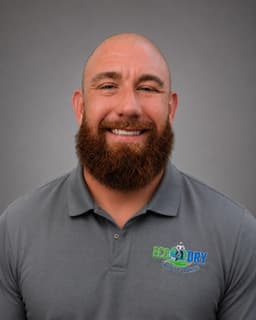
Local people. Thoughtful care.
Meet the owner behind Eco-Dry.
Rich Tobin runs Eco-Dry from Forest Hill. Your visit may be handled by Rich or an Eco-Dry technician, with the cleaning method matched to your surfaces.
Meet RichKeep exploring
A little more useful advice.
- Baldwin
Hosting the holidays in Baldwin: when to book the carpet cleaning
Hosting Thanksgiving or a December get-together? When to book carpet and sofa cleaning, how much room to leave for drying and how to be ready for the spills that come with a full house.
Read the guide - Cockeysville
Normal wear or damage? Your Cockeysville apartment carpet before move-out
Matted traffic lanes and furniture dents are a different thing from burns and bleach spots. A plain look at apartment carpet before you move out, with notes on photos, receipts and reading your lease.
Read the guide - Dundalk
Pricing small rooms and rowhome stairs in Dundalk
Small rooms are priced per room, but the visit minimum sets the floor. The plain math for a Dundalk rowhome, and how to build a visit that's worth the minimum.
Read the guide